
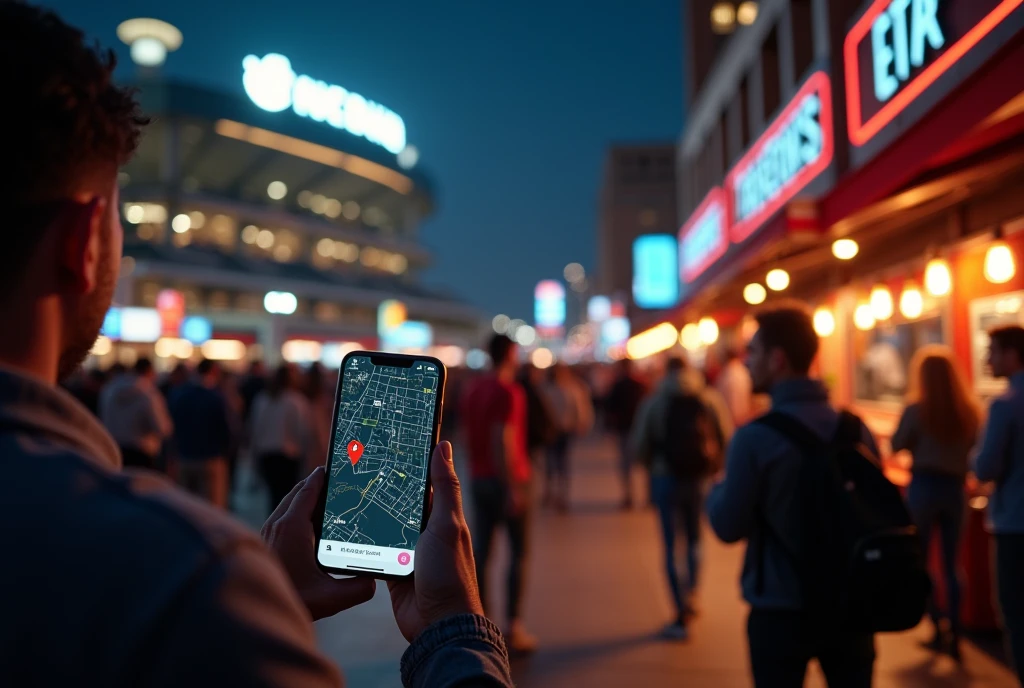
Game day in Austin does not end at the stadium gates. It spills into streets, bars, rides, and every service within a two-mile radius. Around 9:45 PM, as the final whistle blows at Darrell K Royal–Texas Memorial Stadium, tens of thousands move at once. Within minutes, rides surge, lines form, and nearby venues switch from half-full to packed. A group leaving the game does not plan the next step in advance. One person checks what is open, another scans the street, and decisions happen on the move, the same way quick searches like austin escorts appear in that moment, not as a pre-planned action but as part of a wider pattern where people react to time, location, and availability without slowing down to compare options.
Immediate Demand Peaks After Final Whistle
The first hour after a game determines most of the night’s activity. Data from local businesses and mobility services shows sharp spikes.
- Foot traffic increases by 50–80 percent within 20 minutes after exit
- Ride prices surge by 25–60 percent in the first 30 minutes
- Nearby bars reach capacity up to three times faster than on non-game nights
Businesses that prepare for this window outperform those that treat it as a normal evening. The timing is consistent across major games, especially during high-profile matchups.
Proximity Outweighs Quality
Location decides where people go first. Quality matters less when the crowd moves together.
- Venues within a 5–7 minute walk fill first
- Streets leading away from stadium exits become temporary hotspots
- Higher-rated locations outside the flow remain underutilized
A bar with average reviews but visible crowd activity attracts more people than a quieter, better-rated option a few blocks away. The decision is driven by what is immediately accessible.
Spending Behavior Shifts Under Crowd Pressure
Spending patterns change when demand spikes. The environment pushes faster and less calculated decisions.
- Groups spend 20–35 percent more in the first venue after a game
- Order frequency increases when service is quick and visible
- Decision time for purchases drops below 2 minutes
People choose what is easy to get, not what is optimal. A fast-moving line becomes an advantage, not a drawback, because it signals availability and speed.
Transport Systems React in Real Time
Mobility plays a key role in how demand spreads across the city. Ride services and traffic flows reshape movement.
- Surge pricing activates within minutes after peak demand
- Pickup zones near stadiums become congested quickly
- Drivers reposition toward high-demand areas based on live data
This creates uneven distribution. Some areas receive concentrated traffic, while others see little change. The system responds dynamically, but not evenly.
Operational Pressure on Local Businesses
High demand exposes operational limits. Not every business handles the surge effectively.
- Staff shortages increase wait times
- Inventory runs out faster than expected
- Service quality drops under volume pressure
Some venues close early to manage capacity. Others push through, accepting lower service quality to capture more customers. The difference shows in repeat visits and long-term reputation.
Short Decision Cycles Define the Night
Decisions happen quickly and repeat throughout the evening.
- First choice is made within 10–15 minutes after leaving the stadium
- Groups stay 60–90 minutes before moving again
- Second decisions are faster and less structured
Each move becomes more reactive. The group relies on visible signals rather than deliberate planning.
 Visibility Drives Conversion
In crowded environments, what people see matters more than what they know.
- Lines outside a venue signal demand
- Loud music and visible activity attract attention
- Open entrances reduce hesitation
A venue that looks active draws more people, even if alternatives offer better service. Visibility becomes the deciding factor.
Conflict Between Volume and Experience
There is tension between handling volume and maintaining quality.
- High turnover increases revenue but reduces service consistency
- Overcrowding creates negative experiences for some customers
- Limiting entry preserves quality but reduces short-term profit
Businesses choose different approaches. Some prioritize speed and volume, others focus on controlled flow. Both strategies exist within the same area.
What Game Day Reveals About the City
Game day does not create new behavior. It amplifies existing patterns.
- Demand concentrates in predictable zones
- Speed of response determines success
- Availability overrides preference
Austin’s service economy runs on timing. The businesses that align with crowd movement capture the most value. Those that hesitate fall behind as the flow moves past them.