

Let’s face it, kidney stones are like that uninvited guest at a party. Nobody wants them, yet they often show up at the most inconvenient times, causing an uproar in our lives. But don’t worry: we’re here to turn this stone-cold topic into something a lot more manageable and enjoyable. Together, we’ll explore everything you need to know about pielolitiasis, from what it is to how we can prevent these pesky stones from ruining our good times. So, grab a glass of water (stay hydrated, folks) and let’s immerse.
Pielolitiasis
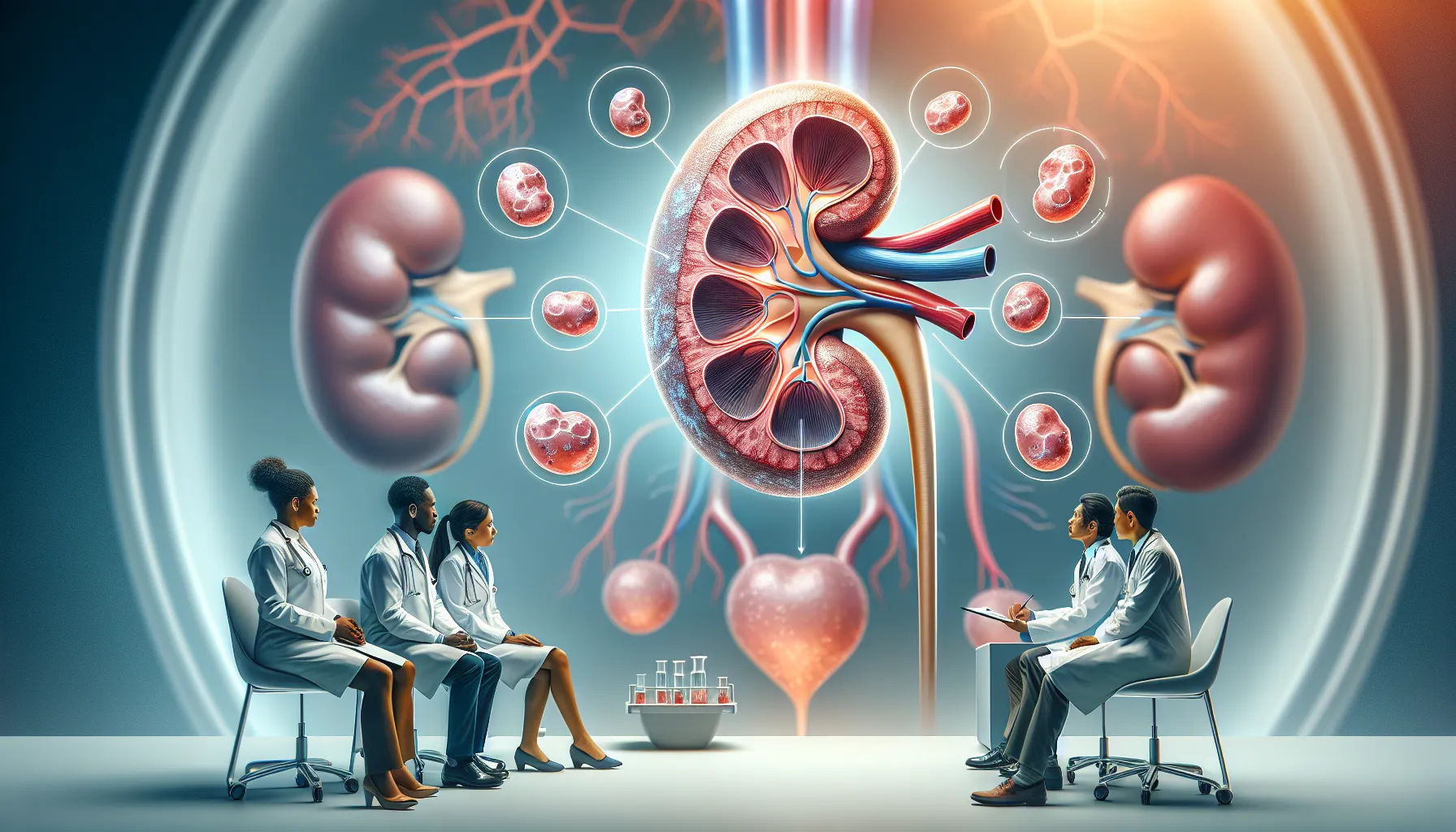
Pielolitiasis refers to the presence of kidney stones, or calculi, within the renal pelvis. This condition can cause significant discomfort and can lead to complications if not promptly addressed. In simpler terms, it’s when those small, often jagged stones form in our kidneys, ouch. Generally, they start as tiny crystals that can aggregate to form larger stones, sometimes resembling a rock formation. For many, the thought of having something lodged in our kidneys sounds like a nightmare, but understanding this condition helps us manage and treat it effectively.
Types of Kidney Stones
When it comes to kidney stones, one size certainly does not fit all. There are several types, and each has its own characteristics.
Calcium Stones
These are the most common type and usually form when our urine contains high levels of calcium. Surprisingly, many people think avoiding calcium-rich foods is the answer, but that’s not always the case.
Struvite Stones
These stones can develop after urinary tract infections and tend to grow quickly, sometimes forming large stones that can injure the kidneys.
Uric Acid Stones
These form in people who don’t drink enough fluids or those with high-protein diets. Who knew our culinary choices could come back to bite us in the kidneys?
Cystine Stones
These are less common and occur due to a genetic disorder that causes the kidneys to excrete excessive amounts of certain amino acids. While rare, they can be quite stubborn.
Causes and Risk Factors
Understanding the causes and risk factors of pielolitiasis is crucial in preventing these painful stones. Dehydration is a biggie. When we don’t drink enough fluids, our urine can become concentrated, which encourages stone formation. Dietary factors also play a role: excessive salt and protein can increase our risk.
Also, certain medical conditions, like diabetes and gout, enable kidney stones to form. Family history is another contributing element, as genetics can sometimes set the stage for our own kidney issues. Even obesity has been linked to a higher occurrence of kidney stones. So yes, it seems we need to stay hydrated and eat our veggies.
Symptoms of Pielolitiasis
Pain is often the first thing we associate with kidney stones. If we have ever endured intense pain in our lower back or side, it may have been a symptom of pielolitiasis. Other common symptoms include frequent urination, blood in the urine, or cloudy urine.
Some individuals might experience nausea or vomiting, particularly if the pain is bad enough. If we notice any of these signs, it’s essential to get checked by a healthcare professional sooner rather than later. After all, we don’t want to be surprised by a stone that thinks it’s a rock star.
Diagnosis of Kidney Stones
Diagnosing pielolitiasis is usually straightforward. Our healthcare providers will likely perform a physical examination and consider our medical history. Imaging tests such as X-rays or CT scans can help visualize the stones.
Urine tests may also be conducted to detect crystal formation or abnormalities in the urine that could lead to stones. It’s like we’re detectives unraveling a mystery that is our urinary health.
Treatment Options
Once diagnosed, the treatment plan depends on the type and size of the kidney stones.
Small Stones
For stones that are quite small, we might just be advised to drink plenty of fluids and wait for them to pass naturally. Patience can be a virtue, though it’s not our first choice when we’re in pain.
Large Stones
If the stones are larger or causing severe symptoms, we may need medical intervention. Options can include medications or procedures like lithotripsy, which uses shock waves to break the stones into smaller pieces. In some cases, surgery might be necessary to remove the stones directly. It’s essential to follow up with our healthcare provider to determine the best course of action for us.
Prevention Strategies
Now that we understand the ins and outs of pielolitiasis, preventing these little devils is a top priority. Staying hydrated is crucial, aim to drink at least eight glasses of water a day. This simple step can significantly reduce our chances of stone formation.
Besides hydration, we should also limit salt and animal protein intake. Eating a balanced diet filled with fruits and vegetables can go a long way, along with regular exercise. Let’s not forget to keep an eye on our weight, as being overweight can increase the risk of stones. If we have a family history, it might be wise to check in with our doctor for personalized prevention tactics.