
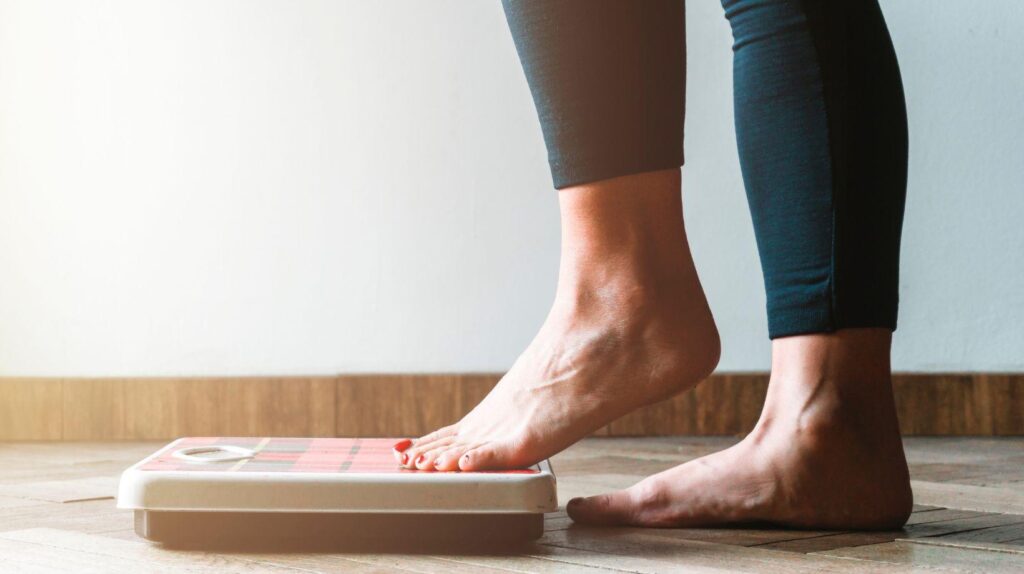
Somewhere in a kitchen drawer there's probably a food scale that hasn't been used since 2019. Next to it, maybe a stack of printed meal plans and a fitness tracker with a dead battery.
Plenty of people have a drawer like that. They tried the plan everyone was talking about, stuck with it for a month or two, and then life got in the way.
Doctors are starting to see that pattern differently. Instead of handing everyone the same plan, more of them now start by asking what's actually going on with the person sitting in the exam room.
One Plan, Very Different Results
Two coworkers can follow the same diet to the letter and end up in totally different places. One drops a few pounds. The other doesn't budge.
There are real reasons for that. Sleep plays a part, and so does stress, and so do some medications for things like depression or blood pressure.
Then there's plain old daily life. A night-shift nurse grabbing dinner from a vending machine at 3 a.m. is living a very different day than someone who works from home.
It Starts With Questions
A personalized approach usually begins with a longer conversation than people are used to. How do you sleep? What happened the last time you tried to lose weight?
Lab work often comes next. Checking blood sugar, cholesterol and thyroid levels can turn up things that change the whole plan.
None of this is glamorous, but the answers give the doctor a lot more to go on than a number on a scale.
What Ends Up on the Plate
The updated federal dietary guidelines steer people toward whole foods and away from heavily processed ones. Fine advice, but a family of five on a grocery budget has to apply it differently than someone who loves to cook.
This is where a dietitian earns their keep. Frozen broccoli counts. So does a sheet-pan dinner that's on the table in fifteen minutes.
Family recipes count too. If a plan bans grandma's rice and beans, it probably won't last past Thanksgiving.
Where Medication Comes In
Sometimes changing habits isn't enough, and that's not a character flaw. Bodies push back against weight loss in ways willpower can't always overcome.
That's where prescription medication may come up. NIH guidance on weight medication spells out who might be a candidate, and it usually depends on BMI plus any related health problems.
Many of the newer drugs are GLP-1 medications. They work partly by turning down appetite. Side effects and cost are real, though, so it's a decision to make with a doctor.
A Pill Instead of a Shot
For years, most GLP-1 weight medications meant a weekly injection. That kept some people from considering them at all.
In April 2026, the FDA approved Foundayo (orforglipron), a daily pill for adults with obesity, or with overweight plus a weight-related health problem.
Stomach trouble, like nausea, was the most common side effect in trials. People who want the details on dosing and study results can look over the FoundAyo clinical profile and take their questions to a doctor.
What to Ask at the Appointment
Jot a few questions on your phone before the appointment. Exam rooms have a way of making people forget everything. A good first one: what does the doctor think is causing the weight gain?
If a prescription comes up, ask how long people tend to stay on it and what happens when they stop. Ask about insurance as well, since coverage for these drugs is all over the place.
Then ask about follow-up. Who checks in, how often, and what happens if the first plan doesn't work?
Starting From Where You Are
Personalized care isn't a magic fix. Weight is complicated, and progress usually comes in fits and starts.
What it can offer is a plan that makes sense for one specific person, with room to change it along the way. For anyone with a drawer full of abandoned diet gear, that's a pretty good reason to book an appointment.
Want more on health and wellness? Explore more articles on the site.