
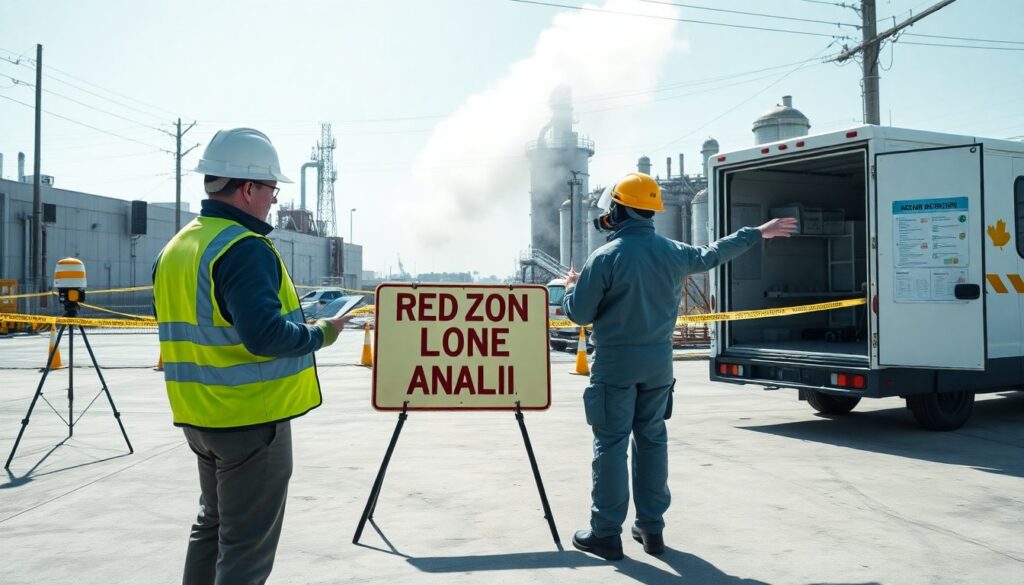
The term red zone gross lefim anoli describes a specific hazard area that poses immediate danger to people and infrastructure. The phrase identifies a high-risk condition caused by rapid environmental change, human activity, or system failure. The Marvin Gibbons redzonegross guide explains the origin of the phrase, the main features that define the condition, and how responders assess and act safely.
Key Takeaways
- The term red zone gross lefim anoli identifies a high-risk hazard area characterized by layered system failures and rapid escalation requiring immediate containment.
- Field teams assess red zone gross lefim anoli by observing visible damage, sensor anomalies, and environmental changes to quickly score and confirm risk levels.
- Immediate actions in a red zone gross lefim anoli include establishing exclusion perimeters, restricting access, and applying mitigation strategies like cutting ignition sources and deploying containment barriers.
- Long-term monitoring with sensors and sampling helps detect ongoing risks after a red zone gross lefim anoli incident, supporting sustained safety.
- Analyzing failure modes and updating procedures after a red zone gross lefim anoli event improve prevention, response training, and community transparency for future incidents.
What Red Zone Gross Lefim Anoli Means — Origins And Key Characteristics
Red zone gross lefim anoli began as an operational descriptor in field reports from 2022. Analysts used the phrase when a site showed layered failures that created an acute hazard. The origin lies in combined technical and local language shorthand. Teams adopted the phrase to mark zones that require immediate containment.
A red zone gross lefim anoli site shows clear signs. First, control systems fail and secondary systems also fail. Second, hazards concentrate in a limited area and escalate fast. Third, the zone shows visible degradation of structure, sudden releases of energy, or toxic outputs. These signs help teams label a site quickly.
The phrase carries a practical definition. It means the area has crossed a risk threshold and needs exclusion, assessment, and prioritized mitigation. The label helps teams allocate resources. It also signals to nearby communities to avoid the area. The red zone gross lefim anoli marker triggers specific protocols in incident command systems.
Key characteristics include observable damage, rapid hazard spread, and high probability of secondary events. A red zone gross lefim anoli location often shows patterns that repeat across incidents: progressive sensor alarms, abnormal material behavior, and unusual environmental readings. Teams train to spot these patterns. Early recognition of red zone gross lefim anoli reduces casualties and lowers long-term damage.
Field reports emphasize clarity when using the phrase. Reporters include timestamped evidence, photo logs, and sensor output. They describe personnel exposure, structural state, and the presence of ignition, contamination, or collapse risk. These details let decision makers confirm the red zone gross lefim anoli status and activate appropriate response tiers.
How To Identify And Assess Risk Levels In The Field
Field teams use a stepwise method to identify a red zone gross lefim anoli. First, they observe visible cues such as smoke, fluid leaks, or unstable ground. Second, they check instrument readings for pressure spikes, chemical traces, or power anomalies. Third, they collect quick witness statements about recent changes. This method gives a rapid risk snapshot.
Teams apply simple thresholds to assess danger. They score immediate hazard, potential spread, and exposure population. A high score in any category shifts the site into red zone gross lefim anoli status. The score guides resource allocation and informs evacuation decisions. Teams document the scoring to maintain a clear audit trail.
Assessors confirm whether conditions match red zone gross lefim anoli through cross-checks. They compare sensor trends with visual evidence. They verify that control systems are offline and that safety barriers failed. They check for signs of gas presence, ignition sources, and critical structural damage. If cross-checks align, they mark the site with the red zone gross lefim anoli label.
Risk assessors also consider secondary risks. They look for nearby infrastructure that could amplify the hazard. They check weather forecasts that could carry contaminants. They map population movement that could expose more people. These checks let teams predict how a red zone gross lefim anoli event might grow.
Assessors record clear action items once they identify a red zone gross lefim anoli. They note immediate containment needs, personnel limits near the scene, and key monitoring points. They hand these items to the incident commander for rapid execution. The record keeps the response coordinated and reduces confusion during the early phase.
Immediate Actions, Mitigation Strategies, And Long-Term Monitoring
First responders isolate the area when they confirm a red zone gross lefim anoli. They set exclusion perimeters and restrict access to trained specialists. They establish a control point for information flow. This step protects responders and civilians.
Responders apply mitigation steps next. They cut ignition sources and shut down vulnerable systems when possible. They deploy containment barriers to limit fluid or debris spread. They use neutralizing agents if the hazard involves known chemicals. These actions reduce immediate harm and slow hazard growth.
Teams follow clear safety protocols during mitigation. They wear appropriate protective equipment and use remote tools where possible. They avoid manual entry into the core zone unless specialized teams confirm safe conditions. They rotate staff to prevent fatigue and monitor vital signs for exposure.
After initial mitigation, teams move to monitoring. They set sensor arrays at fixed intervals around the site. They schedule regular sampling for air, water, and soil. They log data into a shared system that decision makers can access quickly. Monitoring helps detect reactivation or slow releases that may follow a red zone gross lefim anoli event.
Long-term strategies reduce the chance of recurrence. Engineers analyze failure modes that produced the red zone gross lefim anoli condition. They recommend design changes, procedural updates, and strengthened maintenance cycles. They also run drills based on the incident to train staff and improve response speed.
Community engagement supports long-term recovery. Officials inform nearby residents about health checks and follow-up monitoring. They publish clear guidance on return timelines and safe reuse of property. This transparency helps rebuild trust after a red zone gross lefim anoli event.
Finally, organizations update their incident documentation. They add the event to lessons-learned files and to training curricula. They revise scoring thresholds and sensor placement rules. These updates help teams spot future red zone gross lefim anoli signs earlier and act faster.